About DG Stack Emission Monitoring
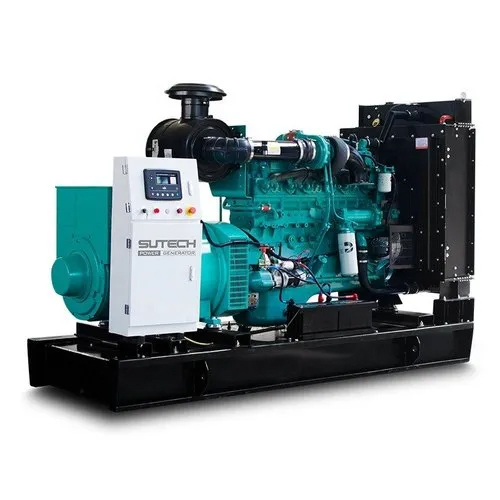
"Diesel Generator (DG) emissions are a significant environmental concern, releasing pollutants like nitrogen oxides (NO), carbon monoxide (CO), hydrocarbons (HC), and particulate matter (PM). These emissions contribute to poor air quality, smog formation, and pose serious health risks, including respiratory issues, cardiovascular diseases, and increased cancer risk.
In India, the Central Pollution Control Board (CPCB) has established emission standards for DG sets to mitigate these impacts. For instance, DG sets with power ratings up to 19 kW should not exceed 7.5 g/kW-hr for NO and HC emissions, and 3.5 g/kW-hr for CO emissions .
To ensure compliance with these standards, regular monitoring of DG emissions is essential. This includes measuring stack emissions and implementing appropriate mitigation measures. Retrofitting existing DG sets with emission control devices can significantly reduce harmful emissions and improve air quality .
By adhering to these standards and implementing effective monitoring and control measures, the adverse environmental and health impacts of DG emissions can be significantly mitigated."
Comprehensive Emission MonitoringMonitor critical emission parameters-SO2, NOx, CO, O2, and PM-from industrial stacks with high accuracy. The system's precise sensors and rapid response enable early detection of threshold breaches, supporting compliance and best practices in environmental monitoring.
Industrial-Grade Durability & SafetyBuilt with a stainless steel enclosure and IP65 protection class, the DG Stack Emission Monitor operates reliably from -20C to 60C. Configurable alarm limits and an integrated buzzer ensure that operators are instantly alerted to any hazardous emissions, enhancing plant safety.
Flexible Data & Connectivity OptionsEnjoy seamless data integration using 4-20 mA analog output, RS485, or Modbus communications. The internal memory, coupled with USB and SD card support, offers robust data logging for audits and analysis, making compliance reporting more efficient and reliable.
FAQ's of DG Stack Emission Monitoring:
Q: How does the DG Stack Emission Monitoring System measure different gas and particulate parameters?
A: The system is equipped with advanced sensors capable of accurately monitoring SO2, NOx, CO, O2, and particulate matter (PM) directly from industrial stacks. These sensors provide real-time data with 99% accuracy, ensuring comprehensive emission analysis.
Q: What are the connectivity and data logging options available with this monitoring system?
A: It supports various outputs including 4-20 mA, RS485, and Modbus for easy integration with plant control systems. It also features internal memory and can store data using a USB or SD card, simplifying record-keeping and regulatory reporting.
Q: When is calibration required, and how is it performed?
A: Calibration can be performed automatically or manually, depending on your maintenance schedule. Regular calibration ensures continuous measurement accuracy and system reliability, and can be done through the system's intuitive interface.
Q: Where can this monitoring system be installed?
A: The DG Stack Emission Monitoring System is designed for on-site, stack-mountable installation. Its robust stainless steel enclosure and IP65 rating ensure durability and protection in harsh industrial environments, both indoors and outdoors.
Q: What are the benefits of using the configurable alarm and buzzer system?
A: The configurable alarm and integrated buzzer instantly alert operators when emission levels exceed predefined limits. This feature enhances operational safety and allows quick mitigation actions to prevent environmental breaches or equipment damage.
Q: How does the system ensure reliable operation in extreme conditions?
A: With an operating temperature range of -20 to 60C and less than 50W power consumption, the system is engineered to function reliably in a broad spectrum of industrial environments while maintaining energy efficiency.
Q: What makes this emission monitoring system suitable for Indian industrial applications?
A: Manufactured, supplied, and supported in India, the system's robust design, digital display, and single-phase (220V, 50Hz) power compatibility make it ideal for diverse industrial facilities seeking high-accuracy emission compliance and reporting.





 Send Inquiry





 Send Inquiry